Luxury Loose Leaf Teas & Signature Blends. Free Shipping on orders $100+
- Tea
- Tea Blends
- Pure Teas
- Collections
- Wellness
- Regions
- Scent
-
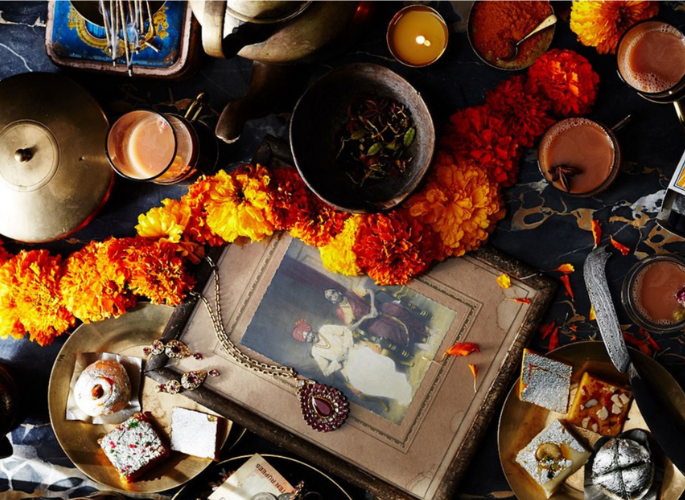 Explore: Autumn Favorites
- Teaware
- Home
- Table
- Living
- Bath
- Sweets
- Garden
- Artisans
-
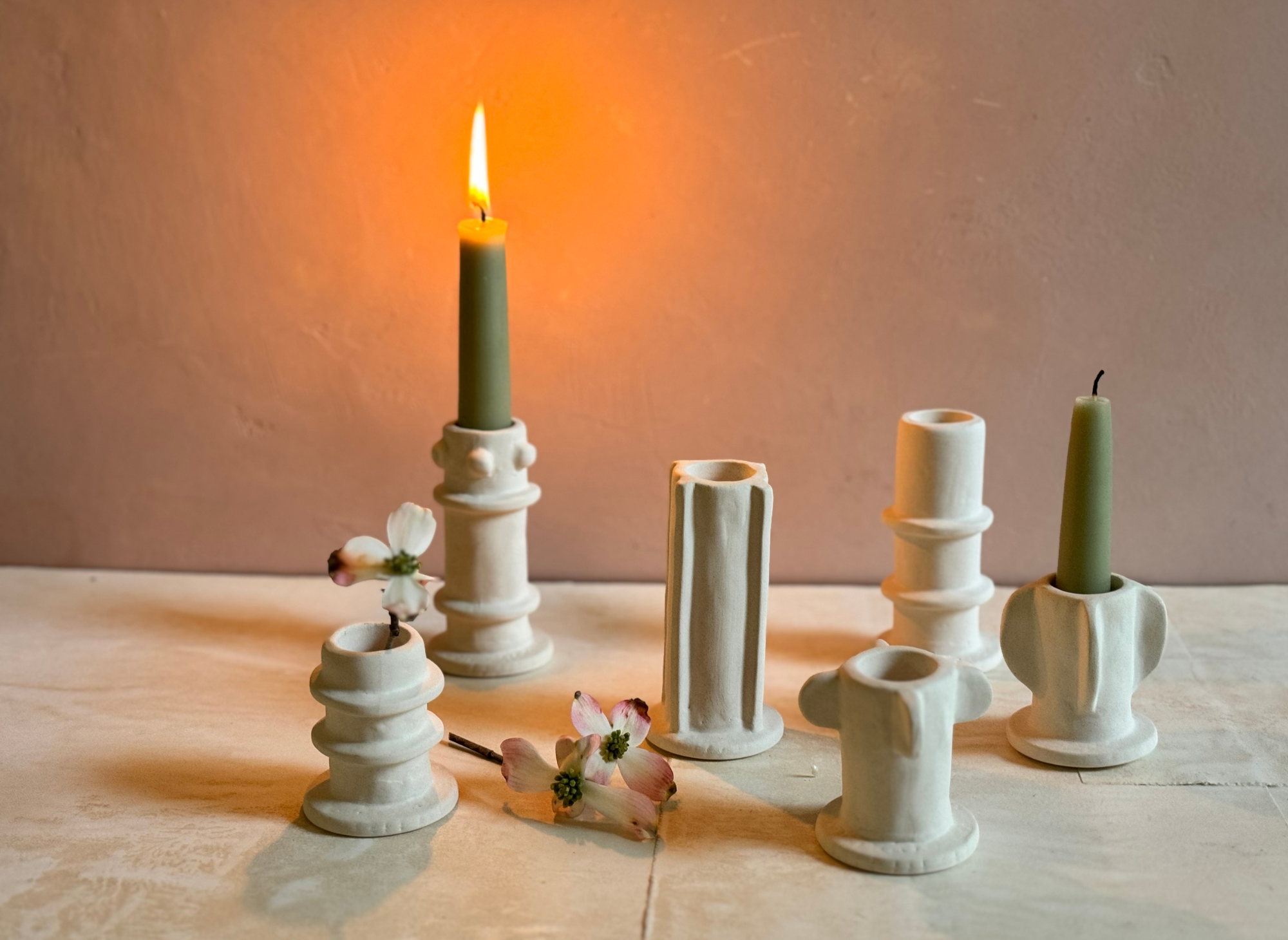 New Arrivals: Table & Home
- Gifts
- Explore
- About
- The Atelier
- Journal
-
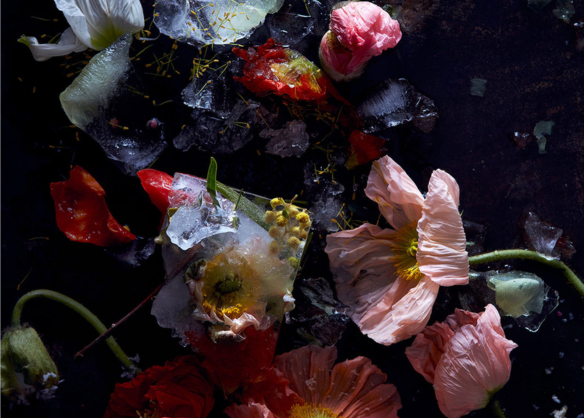 Introducing: The Journal
- Account
-
Search
- Cart
- Tea
- Tea Blends
- Pure Teas
- Collections
- Wellness
- Regions
- Scent
-
Explore: Autumn Favorites
- Teaware
- Service
- Accessories
- Artisans
- Sue Pryke
- Mt. Washington Pottery
- Azusa Amemiya
- Chikumeido Sabun
- Lilith Rockett
- MQuan
- Tracie Hervy
- Shop All
-
 Explore: New Arrivals
- Home
- Table
- Living
- Bath
- Sweets
- Garden
- Artisans
- Sue Pryke
- Azusa Amemiya
- Lilith Rockett
- Mt. Washington Pottery
- Nippon Kodo
- MQuan
- Tracie Hervy
- Shop All
-
New Arrivals: Table & Home
- Gifts
- Gifts
- Gift Guides
- Father's Day Tea Gifts
- Gifts of Celebration
- Gifts for Tea Lovers
- For the Tea Connoisseur
- Gifts of Wellness
-
 Gifts of Celebration
- Explore
- About
- The Atelier
- Journal
-
Introducing: The Journal
- Account
- Elevating the experience
of everyday rituals.


