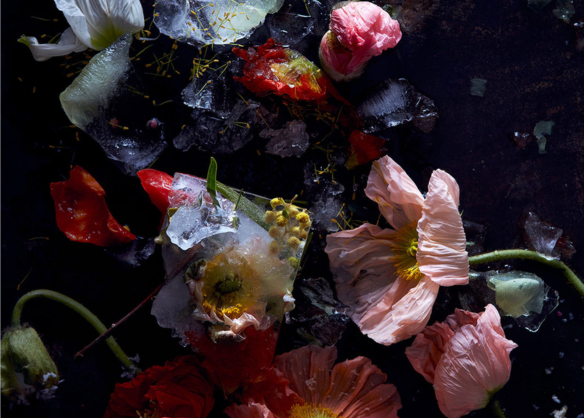
Welcome to 2026, the Year of the Fire Horse. It is a time for bold action and a fresh start. The horse symbolizes great vitality and perseverance.
The collection includes rich and calming Jinkoh Aloeswood incense and an Aritaware ceramic incense holder depicting a horse. Perfect for horse lovers, who are certainly a passionate bunch, or anyone looking for a fresh start.
Without question, Japan creates some of the finest incense in the world. Used in ceremonies, at home or in temples, the burning of incense serves to purify, provide offerings to the spirit world or carry messages to the heavens.
Nippon Kodo's devotion to making fine incense follows a long and honored tradition that started more than 400 years ago and can be traced back to Jyuemon Takai, better known as Koju, a skilled artisan in the art and the principal provider of precious rare and exquisite aromas to the Emperor of Japan and his Court.
Welcome to 2026, the Year of the Fire Horse. It is a time for bold action and a fresh start. The horse symbolizes great vitality and perseverance.
The collection includes rich and calming Jinkoh Aloeswood incense and an Aritaware ceramic incense holder depicting a horse. Perfect for horse lovers, who are certainly a passionate bunch, or anyone looking for a fresh start.
Without question, Japan creates some of the finest incense in the world. Used in ceremonies, at home or in temples, the burning of incense serves to purify, provide offerings to the spirit world or carry messages to the heavens.
Nippon Kodo's devotion to making fine incense follows a long and honored tradition that started more than 400 years ago and can be traced back to Jyuemon Takai, better known as Koju, a skilled artisan in the art and the principal provider of precious rare and exquisite aromas to the Emperor of Japan and his Court.
Many of those pleasing and enduring high-quality incense fragrances, which the company continues to produce to this day, are based on the original formulas created by Koju and later by Yujiro Kito, who was hailed as the genius of fragrance during the Meiji restoration period in the 19th century - around the time that Japan opened its doors to the world and began to modernize itself.
Brought to Japan in the eighth century by Buddhist monks, who used the mystical aromas in their religious ceremonies, "Koh", as incense is called in Japanese, passed into the realm of the aristocracy centuries later as a source of amusement and enlightenment as they "listened to the fragrance" in their parlor games.
It wasn't until the 14th century in the Muromachi Era that incense reached the height of its popularity with the upper and middle classes of Japanese society, who used it as a mark of distinction and sophistication and to dispel unpleasant odors. It was around this time that samurai warriors began perfuming their helmets and armor with incense before going into battle as they prepared to meet their fate.
Contains 24 mini-sticks of incense